



When and How Should You Start Complementary Feeding?
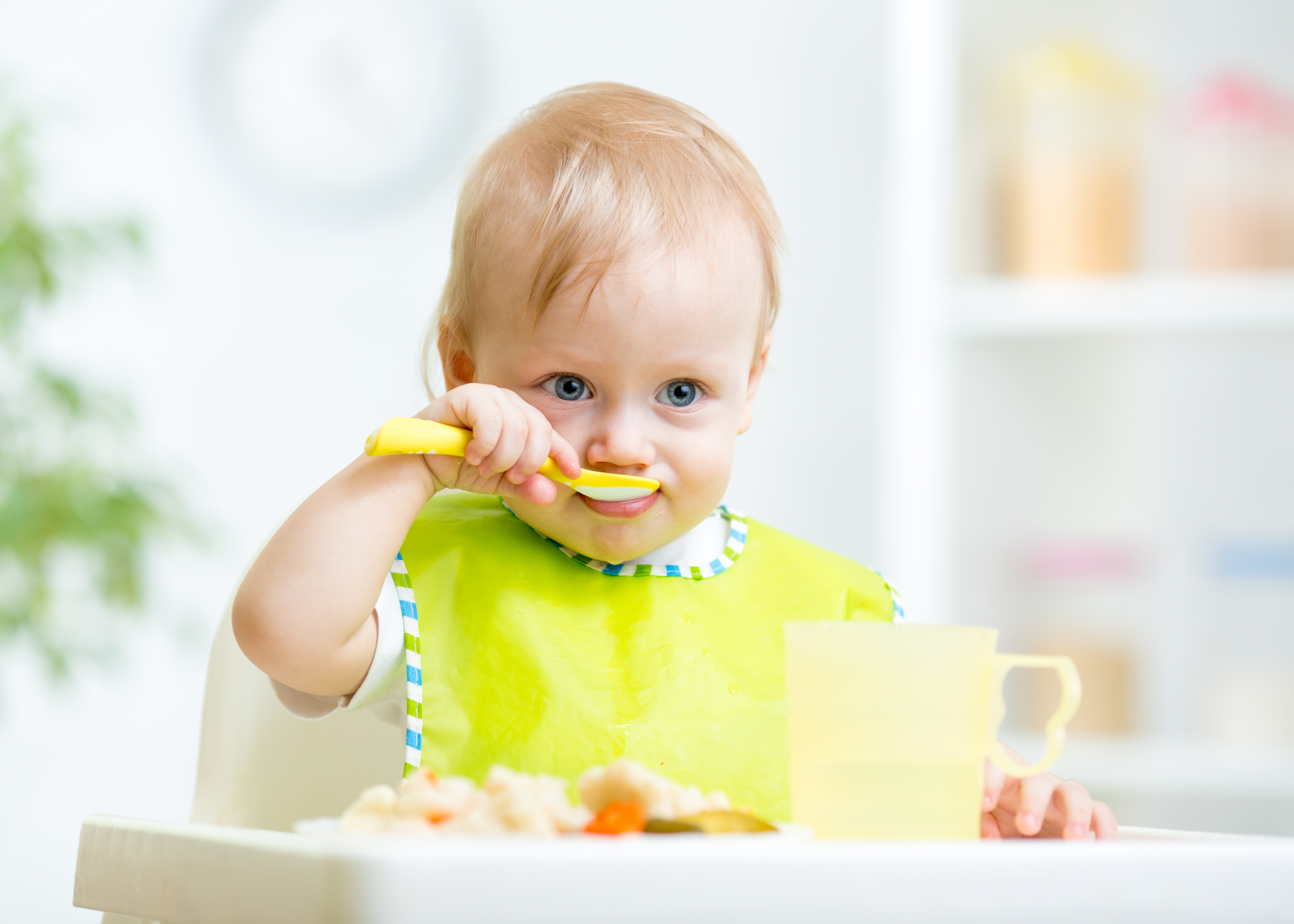
Let's look at what current evidence-based recommendations say and start with the most important question: when is the right time to introduce complementary foods, and can it be too early or too late?
The World Health Organization (WHO) recommends introducing complementary foods at around 6 months of age while continuing breastfeeding or infant formula feeding. Another leading organization, ESPGHAN, states that complementary feeding should not begin before 4 months of age but should also not be delayed beyond 6 months.
These are just two examples among many international recommendations, and they all agree on one point: complementary feeding should begin at around 6 months of age.
Why this particular age? The answer is simple. Every child goes through developmental milestones, and learning to eat is one of them.
Yes—eating is a skill that babies need to learn. Before they are ready to consume foods other than breast milk or formula, they must develop several important abilities. Since every child develops at their own pace, the exact age of readiness may vary slightly.
How Do You Know Your Baby Is Ready for Complementary Feeding?
- Good trunk control — the baby can sit independently or with support and has good head and neck control. Babies should not be fed while lying down or reclining.
- Disappearance of the tongue-thrust reflex — this natural protective reflex usually fades between 4 and 5 months of age, allowing babies to move food toward the back of the mouth.
- Interest in food — if your baby constantly reaches for your plate—or even the food in your mouth—this is a strong sign of readiness.
- Oral-motor skills — babies learn how to move food around inside their mouths. This is why putting objects into the mouth is considered a normal and important developmental stage.
- Signs of hunger and fullness — the baby reaches for food, opens their mouth, turns away, pushes food away, or clearly shows interest or refusal. If some of these signs are absent, discussing the timing of complementary feeding with a healthcare professional is recommended.
Before introducing complementary foods, it's important to understand why they are needed. One key reason is that babies' iron stores begin to decline around 6 months of age. Therefore, iron-rich foods should be among the first foods introduced.
At the same time, babies' energy needs increase significantly, so complementary foods should provide adequate calories.
There is no single "best" first food. It may be iron-fortified cereal, meat, vegetables, or fruit. Start with foods that are commonly eaten in your family. Use cooking methods that suit your household—complementary feeding is not limited to steaming. Foods can be boiled, stewed, baked, or lightly pan-cooked.
Adapt family meals for your baby. Cooking borscht? Set aside a piece of carrot and some chicken before adding salt and seasonings—that can become your baby's first meal. Having an omelet and salad for breakfast? Prepare the same omelet for your baby without salt and serve it in an age-appropriate, safe form.
Many parents consult their pediatrician before starting complementary feeding to better understand how to introduce new foods safely and support healthy growth and development.
Complementary feeding is much more than introducing new foods. Although breast milk or infant formula remains the baby's primary source of nutrition until around one year of age, complementary feeding is an essential stage of development, helping children acquire eating skills while providing important macro- and micronutrients needed for healthy growth.
%402x.png)
%402x.png)